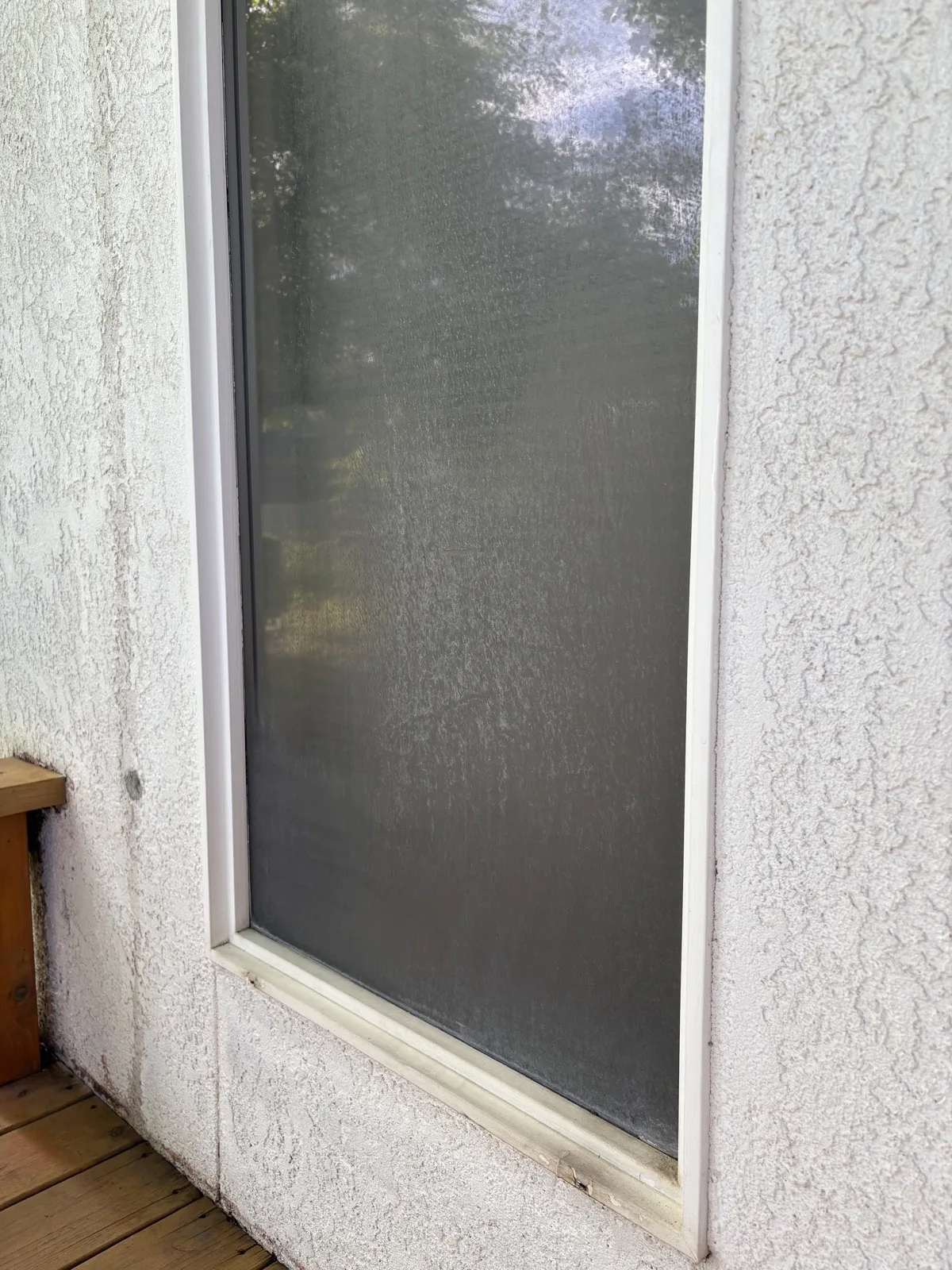
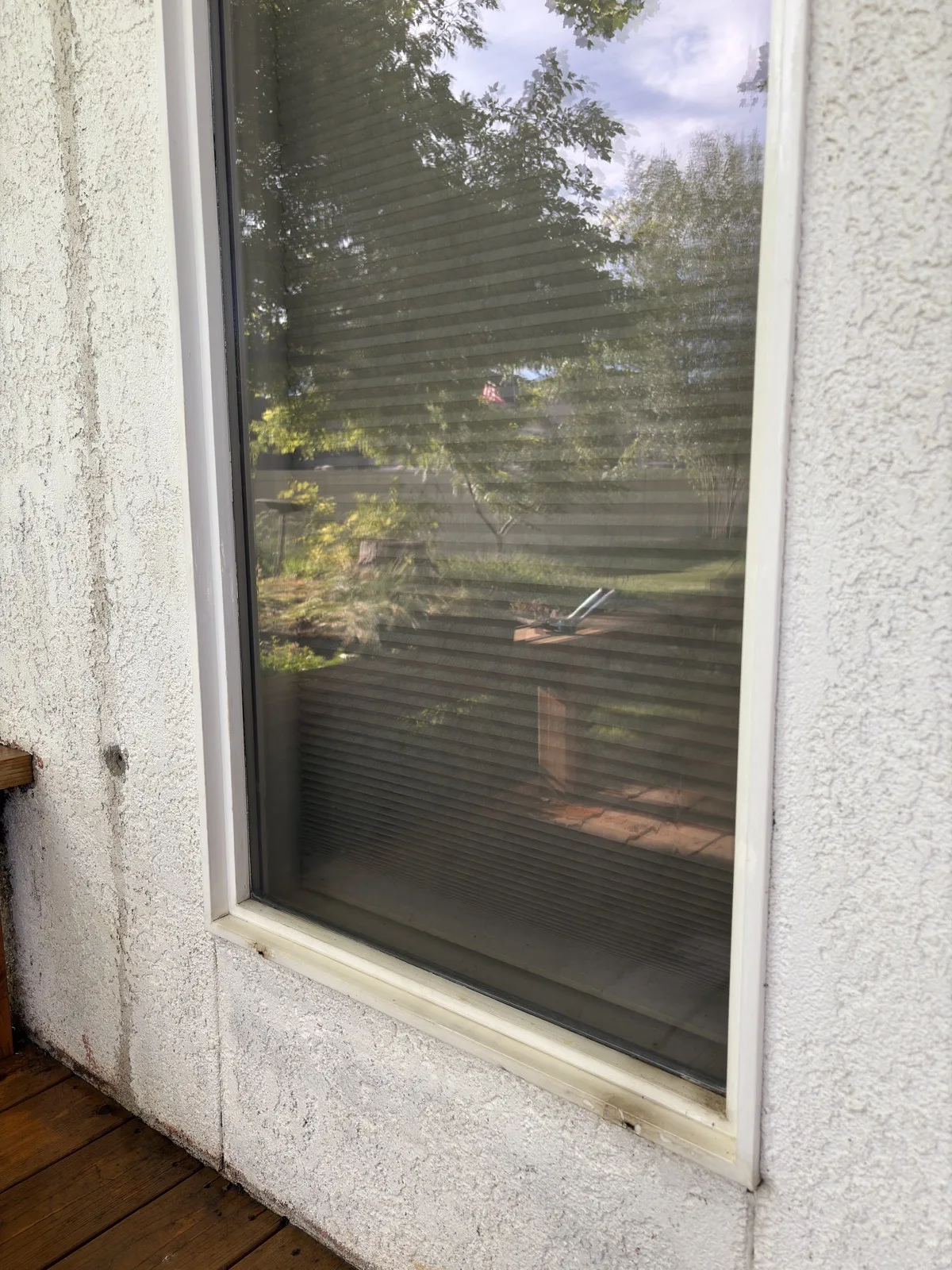
Everything here was irrigated at once, and that is the problem
The Waterfront District went in after about 2005, which means the sprinklers went in with the buildings rather than getting added on over forty years like they did on the older Garden City ranches south of Chinden. On a 1960s block, every yard has a different system from a different decade, so the damage is scattered. Here the common strips along Whitewater Park Blvd and the greenbelt side were laid out by one contractor on one plan, and a lot of it is on surface water shares delivered through the ditch rather than off the house hose bib. That means the same rotor heads throw the same silty water at the same buildings on the same HOA schedule, several cycles a week, all season. When we walk a Waterfront District job we can usually predict which units are bad before we get out of the truck.
HOA common strips versus your own valve box
This matters because it decides whether the stain will come back. If the damage is coming from a head in your own bed, you can turn it down or swap a nozzle the same afternoon and the restoration holds for years. If it is coming from an HOA common strip, you do not own that valve, and a head that was aimed at a shrub bed in 2007 has been drifting onto the same glass ever since. Rotor heads on shared strips also run at higher pressure and throw farther than a residential spray head, so they reach second-floor glass that a homeowner system never would. We will tell you which one you have and, if it is the HOA's, put it in writing so you have something to hand the management company.
Which elevations actually take it
It is not random. The worst glass in this neighborhood is ground-floor and low second-floor panes on the side facing a common landscape strip or a shared walkway, usually within about twenty feet of a rotor head. West and southwest elevations along the greenbelt side are worse than the rest because afternoon sun bakes the droplets dry before they can run off, and heat is what turns a rinse-off deposit into bonded scale. Third-floor picture windows and rooftop deck glass are almost always clean, since nothing sprays that high. Windward corners catch drift on windy evenings even when the head is not pointed at them. If you have a milky band that stops at a consistent height across several panes, that is the top of the spray arc, and it is diagnostic.
Ditch silt and mineral scale are two different jobs
Ditch water pulled off the river carries silt, and silt sits on top of the glass. That comes off with a normal wash, and if that is all you have, do not pay for restoration. Underneath it is the mineral, calcium and magnesium left behind when the droplet evaporates. Early on it sits on the surface and lifts with a mild acidic treatment. Left through several seasons it bonds and then bites into the glass surface itself, and at that point it is etching, not a stain. Here is the honest part. Etched glass has to be polished with a cerium compound by hand, panel by panel, and on deep cases we can get it eighty or ninety percent back but not to new. Anyone promising you perfect glass on a fifteen-year deposit has not looked at it closely.
What it costs and how we keep it from returning
Hard water work is quoted by severity, not by pane count, because a light seasonal film and a decade of bonded scale are not the same labor. We look at the actual glass first and give you a number before anything starts. It is included on the Monthly membership. Memberships run Monthly or Quarterly with no contract, and there is a 7-Day Rain Guarantee. After restoration we clean the glass with 100 percent pure deionized water, which carries no dissolved minerals of its own and dries without leaving anything behind. But restoration only holds if the head gets fixed. We will show you the one throwing on your windows before we leave. Reflekt is Hunter Stevens and Ethan Seusy, founded 2025, locally owned, fully insured, 4.9 stars across 125+ Google reviews. Next-Day slots most weeks. Call (208) 453-6760.
Ready for Hard Water Stain Removal in Waterfront District?
Free, no-obligation quote — we'll call or text you with your price.
Get My Free Quote